
Hallux valgus and barefoot shoes: A physical therapist's advice on a crooked big toe
We asked you what problems you experience with your feet – and one answer came up again and again for very many:
Bunions and crooked big toes.
That is why we took the question to physical therapist Troels Seeberg from SeebergFysio. Why does hallux valgus actually occur, what role do our shoes play, and what can you do yourself?
Why does hallux valgus occur?
Troels explains:
"As a physical therapist, I see daily how our feet form the foundation for the entire body's health. A crooked big toe (hallux valgus) is an enormously widespread problem, but insoles and surgery should rarely be the first choice. To solve the problem, we must understand the body's mechanics and look at the latest knowledge."
According to Troels, hallux valgus occurs due to an interplay of several factors.
"Narrow shoes that squeeze the toes together like a wedge, as well as a raised heel, are the primary culprit. It constantly presses the foot out of its natural shape."
But the body's mechanics and genetics also play a part:
"A stiff ankle or a tendency to roll inward on the foot (pronation) creates an uneven load on the big toe with every single step you take."
"Some are born with more flexible connective tissue and are more prone to developing the problem, especially if the feet are wrapped incorrectly in everyday life."
When a crooked big toe affects everyday life
Hallux valgus can affect much more than just the foot.
"It hurts to push off, which makes many people walk slower, skip their run, and generally move less."
Troels also highlights the importance of the big toe for balance and our way of walking:
"The big toe is our absolute most important anchor point. If it loses its grip on the ground, balance is significantly impaired, which increases the risk of sprains and falls."
"To avoid pain in the foot, we subconsciously change our way of walking (compensation). This creates a chain reaction of overloads higher up in the body."
And then there is the challenge that many of you mentioned yourselves:
"Daily friction, redness, and swelling over the bunion make it a daily battle just to find shoes that don't hurt."
What can you do?
Troels points especially to three things: space, strength, and mobility.
"The absolute most important thing is to switch to shoes with a wide toe box and a completely flat sole (zero-drop). This is where barefoot shoes go from being a choice to a necessity. They allow the big toe to work in its natural axis, remove the pressure from the bunion, and let the foot function as it was created to do."
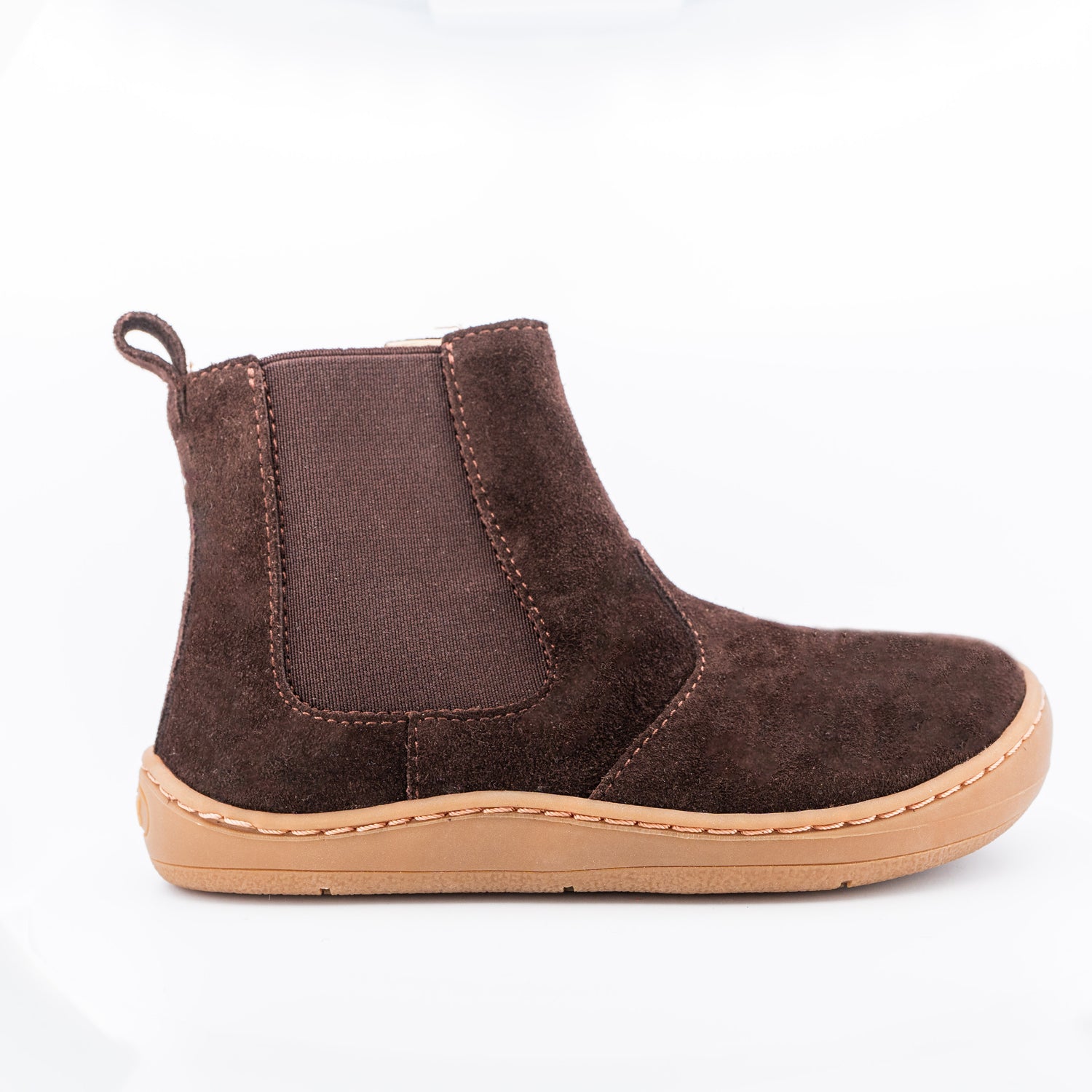
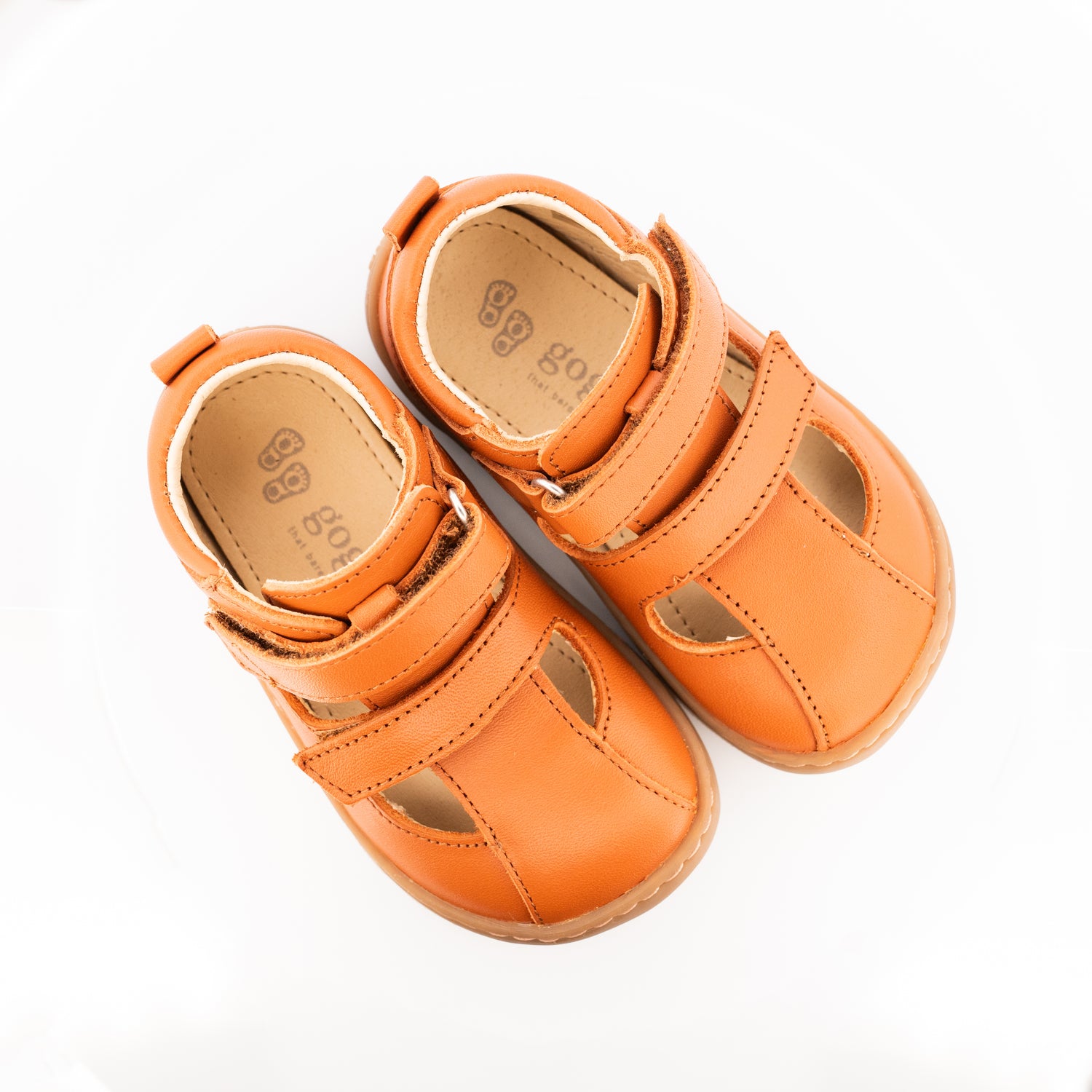
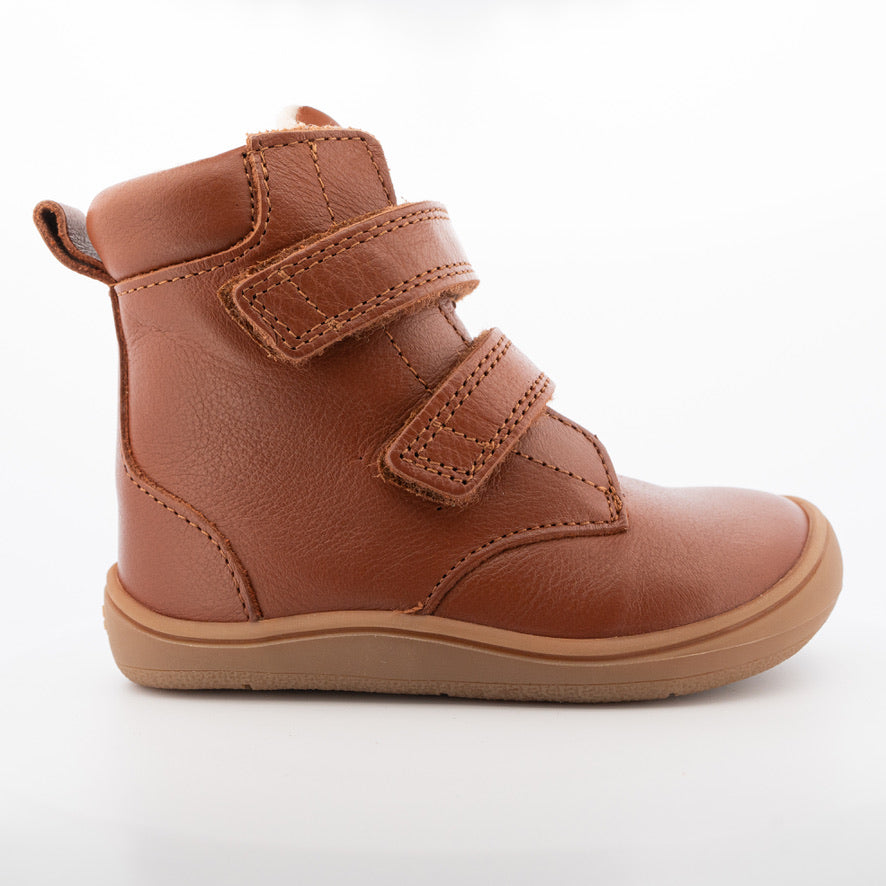
These are exactly some of the basic principles of barefoot shoes: a wide toe box, a flat sole, and room for the foot to move in natural positions.
See our selection of barefoot shoes for women here
Troels simultaneously recommends working actively with the foot:
"The foot needs strength training, just as your back does. Targeted exercises for the foot's small, intrinsic muscles are proven to be able to relieve pain, lift the arch, and slow down the development of the crooked toe."
And mobility is also important:
"Improving flexibility, especially in the ankle and calf muscles, ensures that we can complete our stride naturally without twisting the foot over the big toe while walking."
Give your feet space
If there is one thing we take with us from Troels' answer, it is the importance of giving the feet space.
Barefoot shoes are developed with a wide and foot-shaped toe box so that the toes are not squeezed together in the same way as in many traditional shoes.
So perhaps it is worth looking down and asking:
Do my feet actually have the space they need?
The professional statements in the article were provided by physical therapist Troels Seeberg from SeebergFysio.